
If these symptoms are consistent or severe, it’s crucial to consult a healthcare provider to determine whether alcohol is a contributing factor. Vijaya Musini (VM) drug addiction contributed to data analysis, interpretation of the final result, and editing of the final draft of the review. James M Wright (JMW) formulated the idea, developed the basis of the protocol, and contributed to data analysis, interpretation of the final result, and editing of the final draft of the review.
Bau 2011 published data only
Moderate alcohol intake, defined as about 14 to 28 grams within a six-hour period, often causes immediate but temporary effects such as a slight decrease in both systolic and diastolic blood pressure, known as a biphasic response. During this initial phase, blood pressure might fall slightly; however, after roughly 13 hours, it tends to rebound and increase. Moreover, alcohol affects physiological mechanisms regulating blood pressure. It can activate the sympathetic nervous system and raise levels of stress hormones such as cortisol and renin, further constricting blood vessels.
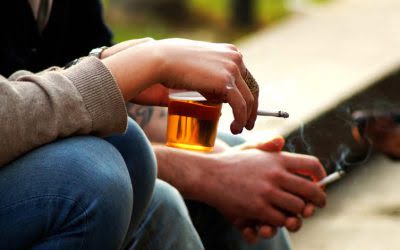
Studies show that heavy drinkers (more than 3 drinks per day) are at a significantly higher risk of developing hypertension compared to moderate or non-drinkers. If you notice any of these signs consistently after drinking alcohol, it might be worthwhile to monitor your blood pressure or consult a healthcare provider. Consuming alcohol beyond moderate levels (and for some individuals, even at moderate levels) can push blood pressure readings higher, especially when combined with other lifestyle factors like high sodium intake, lack of exercise, or obesity.
Van De Borne 1997 published data only
For individuals with high blood pressure or those at risk, it’s advisable to limit or avoid beer consumption. By making healthier lifestyle choices, you can significantly improve your blood pressure level and overall health. Though some believe that beer is good for high blood pressure, studies show that excessive drinking can actually worsen hypertension.
How does alcohol impact blood pressure acutely versus over the long term?
And what about specific types of alcohol — for example, is beer bad for blood pressure or can beer lower your blood pressure? Understanding the relationship between beer, blood pressure, and other types of alcohol can help us better manage our overall health. Let’s delve into how the science behind how these factors impact each other. It’s important to know what happens to your body when you drink and the ways drinking alcohol can affect your looks. And, because of the nutrients in beer, Charles Bamforth, professor of malting and brewing sciences at the University of California, Davis, says “beer is in no way empty calories.” Enjoying alcohol socially in reasonable amounts can boost your mood and help you bond with others.
If you enjoy drinking alcohol, you may wonder how it impacts blood pressure and if cutting back could help improve your numbers. Read on to learn how alcohol influences hypertension, which drinking habits tend to be riskiest, and simple tips to drink less for better health. However, there were far fewer studies that focus on African Americans for the researchers to review, and more research may be needed. High blood pressure can be caused by a wide variety of lifestyle factors, including obesity, diet, smoking, stress and alcohol consumption. New blood pressure management guidelines recently published by the American Heart Association recommend Americans abstain from drinking alcohol completely to control their blood pressure. Some studies suggest low amounts of alcohol may help reduce blood pressure or risk of heart disease.

Over time, heavy drinking can cloud your perception of distances and volumes, or slow and impair your motor skills. But if you quit, your brain seems to be able to regain some of these abilities. The results suggested that drinking a small amount of alcohol (14 grams g) may not affect blood pressure, drinking a medium amount (14 to 28 g) may even lower it slightly, and drinking a large amount (30 g or more) can raise it. The Recovery Village Columbus offers comprehensive addiction treatment for drug and alcohol addictions and co-occurring mental health conditions.
- The Reframe app equips you with the knowledge and skills you need to not only survive drinking less, but to thrive while you navigate the journey.
- It is important to note that the dose of alcohol was comparatively higher (≥ 60 g or ≥ 1 g/kg) in nine studies (Bau 2005; Buckman 2015; Hering 2011; Narkiewicz 2000; Rosito 1999; Rossinen 1997; Stott 1987; Van De Borne 1997; Zeichner 1985).
- We contacted study authors for missing or unclear information required for the risk of bias assessment and then reassessed the domains once the information was available.
Researchers also found that people who drank heavily were 69% more likely to have stage 1 hypertension than people who do not drink and 2.4 times more likely to have stage 2 hypertension. In a 2019 study of 17,059 males and females, researchers observed that people who drank a moderate amount of alcohol compared to none were 53% more likely to have stage 1 hypertension and two times more likely to have stage 2 hypertension. People in heart failure or people on beta-blockers (used to treat hypertension) should not drink. If you have an abnormal heart rhythm, talk with your healthcare provider before drinking. Although alcohol can make you feel drowsy, it disrupts deep sleep and can lead to fragmented sleep patterns, linked to increased blood pressure and overall heart strain. Beer and blood pressure are closely linked, with beer potentially raising blood pressure, especially when consumed excessively.
Alcohol increases the risk of several other short- and long-term health issues. The unit of measurement for blood pressure is millimeters of mercury (mm Hg). Overall, alcohol-related blood pressure changes pose significant health dangers. Reducing intake or abstaining altogether, especially for individuals with existing high does beer lower blood pressure blood pressure, is essential to lower the risk of severe health complications.
Nicholas 2013b published data only
This systematic review provides us with a better understanding of the time‐course of alcohol’s acute effects on blood pressure and heart rate. This review included only short‐term randomised controlled trials (RCTs) investigating the effects of alcohol on blood pressure and heart rate. Acute alcohol consumption mimics the pattern of social drinking, and evidence indicates that even one glass of an alcoholic drink can increase heart rate. The magnitude of the effects of alcohol on blood pressure and heart rate varies, based possibly on genetic factors and on the amount of alcohol consumed. We classified seven studies as having high risk of bias (Agewall 2000; Bau 2011; Dumont 2010; Fazio 2004; Karatzi 2013; Maufrais 2017; Van De Borne 1997).

We classified six studies as having low risk of performance bias (Dai 2002; Narkiewicz 2000; Nishiwaki 2017; Potter 1986; Rosito 1999; Van De Borne 1997). In this study, all test drinks were poured into paper cups to achieve blinding of participants. We contacted the author of Rosito 1999 to request additional information regarding the method of blinding used. The study author explained the blinding method in detail in an email, so we classified https://ecosoberhouse.com/ this study as having low risk of bias.
- Among the 34 included studies, only four studies included hypertensive participants.
- Heavy or binge drinking can trigger repeated short-lived blood pressure surges that stress those tiny vessels further.
- The expert continued, saying, “At moderate levels of alcohol intake (for example 10 drinks a week) the risk of breast cancer goes up more than it does for other alcohol-related cancers.”
- This creates a vicious cycle where mental stress leads to higher blood pressure, which then gets exacerbated by alcohol consumption.
Mildred Bowers, a woman who celebrated turning 103 years old in 2016, credited her daily four o’clock beer — which was okayed by a doctor — with her longevity. “Have a beer, doctor’s orders,” she joked in an interview with her local news station. Alcohol plays a role in at least half of all serious trauma injuries and deaths from burns, drownings, and homicides.
